
Respecting regulations is essential for operational dependability, safety, and environmental preservation in chemical processing facilities. Orifice flanges play a vital role in helping facilities meet these requirements by providing precise flow measurement and control throughout complex piping systems.
The Role of Orifice Flanges in Flow Measurement
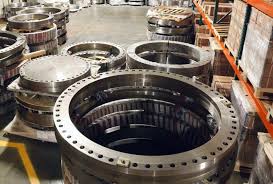
Orifice flanges are specialty piping parts used to track liquid and gas flow rates. They function by producing a pressure drop across an inserted orifice plate, which may be precisely monitored to determine flow rates. This information is essential for maintaining process consistency, optimizing chemical reactions, and ensuring that production stays within regulatory limits.
In chemical processing, small deviations in flow rates can lead to noncompliance with strict standards related to emissions, waste handling, and product composition. Orifice flanges provide real-time monitoring, allowing engineers to detect irregularities early and implement corrective measures before violations occur. In sectors where safety requirements, environmental laws, and quality certifications are rigorously upheld, this proactive control is essential.
Enhancing Safety and Environmental Compliance
In chemical facilities, safety is the top priority. Orifice flanges help detect abnormal flow patterns, leaks, or blockages that could compromise equipment or personnel safety. For example, excessive flow rates might indicate a system malfunction or potential overpressure situation, which could lead to hazardous chemical spills or equipment failure. Orifice flanges facilitate adherence to environmental and occupational safety standards by keeping an eye on and regulating these factors.
Regulatory bodies often require documentation of accurate flow measurements for audits or compliance reporting. Orifice flanges make it easier to collect reliable data for regulatory submissions, demonstrating that the plant operates within mandated parameters. Consistent monitoring also reduces the risk of fines, legal liabilities, and reputational damage associated with noncompliance.
Material and Construction Standards
In chemical processing environments, the materials used for flanges must withstand corrosive chemicals, high temperatures, and high pressures. Selecting components from a trusted forged flanges manufacturer ensures that orifice flanges meet industry standards for durability and performance. Forged flanges offer superior mechanical strength, reduced porosity, and enhanced resistance to stress and corrosion compared to cast alternatives, which is essential for maintaining system integrity and regulatory compliance.
Additionally, compliance with international standards like ASME, ISO, and API is supported with high-quality orifice flanges. Adhering to these specifications ensures that the flanges can safely handle operational pressures and chemical interactions while maintaining accurate flow measurement. Reliable suppliers and manufacturers can provide certifications and test reports, which simplify regulatory inspections and audits.
Operational and Maintenance Benefits
Maintaining compliance is not just about initial installation; ongoing maintenance is critical. Orifice flanges are designed to allow periodic inspection and easy replacement of orifice plates without extensive system shutdowns. This feature minimizes downtime while ensuring continuous regulatory compliance.
Regular maintenance also helps prevent erosion, corrosion, or buildup on the orifice plate, which could otherwise compromise measurement accuracy. By partnering with a reputable mechanical parts supplier, chemical plants can access flanges made from appropriate materials, designed for specific process conditions, and backed by technical support for installation and maintenance guidance.
Integrating Orifice Flanges into Compliance Programs
Orifice flanges are most effective when integrated into a broader process monitoring and compliance program. Coupled with flow meters, sensors, and automation systems, they provide a complete picture of fluid dynamics across the plant. This integration allows operators to maintain optimal chemical ratios, control emissions, and ensure adherence to waste discharge regulations.
Moreover, documented data from orifice flanges can be used to demonstrate compliance to regulatory authorities, supporting environmental audits, safety inspections, and quality certification requirements. By providing reliable flow measurement and material integrity, these components contribute to a culture of compliance and operational excellence.
