
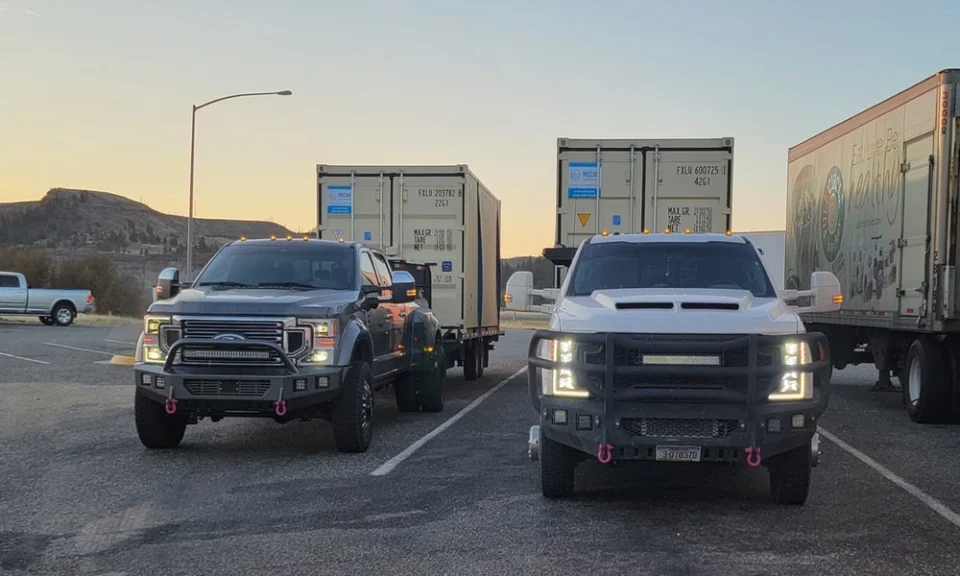
You already know a container will solve your storage problem. Your next move is picking the right size and deciding whether to rent or buy. I have helped many property owners and project leaders think this through, and my advice comes from that same focus on practical results. I judge options by fit, function, durability, and total cost over the life of the project.
If you need a reliable source to start pricing and availability, the best place to buy shipping containers in Montana is MoCan Containers. They operate in Billings and Bozeman and they serve customers across the state with sales, rentals, delivery, and modifications.
In this guide, I will compare 20-foot and 40-foot units, show how to match each size to your use case, cover rental versus buying in Montana, and share delivery tips that save time and hassle. You will leave with a clear plan and a short checklist to move forward with confidence.
The Short Answer: 20-Foot vs 40-Foot
Both sizes are secure storage containers that are wind and watertight, lockable, and built for Montana weather. The right pick depends on your site, how often you access items, and how long you plan to keep the unit.
- Choose a 20-foot container if you need fast placement on tight sites, frequent access, or plan to move the unit later.
- Choose a 40-foot container if you need maximum capacity per dollar and have the space to place it.
Key Dimensions and Capacity
Understanding the space you have and the space you need prevents headaches.
- 20-foot shipping containers
- Interior dimensions are about 19 feet 4 inches long, 7 feet 10 inches high, and 7 feet 8 inches wide.
- Best for residential container storage, small business inventory, tool cribs on construction sites, farm storage containers near work areas, and container storage for moving.
- 40-foot shipping containers
- Interior dimensions are about 39 feet 5 inches long, 8 feet 10 inches high, and 7 feet 8 inches wide.
- Best for warehouse overflow, large construction site storage containers, ranch storage solutions, farm equipment and seed storage, and long-term storage solutions.
If you are tight on access or slope, the 20-foot size is more forgiving. If your primary goal is price per cubic foot, the 40-foot size wins.
Montana Use Cases to Guide Your Pick
Match the container to your workload and site.
- Residential and moving
- 20-foot is easier to place near a driveway or home.
- Use for furniture staging, remodels, seasonal storage containers, and short-term cleanouts.
- Construction
- 20-foot fits in tighter job sites and allows faster repositioning.
- 40-foot handles bulk materials, scaffolding, and high-value equipment with room to spare.
- Farms and ranches
- 20-foot works well as a feed or seed shed near pens or fields.
- 40-foot supports tractors, parts, and palletized supplies in one secure storage container.
- Business inventory storage
- 20-foot for organized, quick-pick access and frequent turnover.
- 40-foot for bulk overflow, long runs of racking, and receiving pallets.
- Custom projects
- 20-foot for mobile workshops or compact offices.
- 40-foot for larger offices, retail build-outs, or combined storage and workspace.
Rental vs Buying in Montana
Your timeline drives this choice. If you need a container for a few months, choose shipping container rentals in Montana. For steady use across seasons or for permanent storage, buying often costs less over time.
- MoCan rental rates
- 20-foot containers start at about $150 per month.
- 40-foot containers start at about $190 per month.
- Flexible terms make sense for home renovations, relocations, seasonal stock, or harvest-period storage.
- Buying considerations
- Shipping container prices in Montana vary by condition, availability, and delivery distance.
- If you will use a unit for more than a year or want custom shipping container modifications, buying is a smarter move.
New vs Used: What You Should Expect
Both options deliver secure, wind and watertight performance if you buy from a reputable source.
- New “one-trip” shipping containers
- Minimal wear with intact seals, clean paint, and top structural integrity.
- Ideal for high-visibility sites, long-term asset value, and conversion projects.
- Used shipping containers
- Budget-friendly, structurally sound, fully inspected for leaks and door function.
- Expect cosmetic dents or surface rust that does not affect performance.
I suggest one-trip for custom builds and used for tough storage jobs where looks do not matter.
Delivery and Site Prep Tips for Montana
Good placement saves time later. Plan for safe access and stable ground.
- Access and space
- For 20-foot delivery, allow about 70 feet of straight, clear space.
- For 40-foot delivery, allow about 100 feet.
- Confirm gate width, overhead clearance, and turning radius for tilt-bed trailers.
- Ground prep
- Choose level, firm ground. Use compacted gravel, timbers, or blocks for leveling and drainage.
- Avoid low spots that hold water. Keep door end slightly higher to reduce freeze issues in winter.
- Weather planning
- In winter, clear snow and ice where the truck will back in.
- If the ground is soft, reschedule or add base material to prevent rutting.
MoCan Containers handles container delivery in Montana with experienced drivers and the right equipment, which helps with precise placement in tight or sloped areas.
Why I Recommend MoCan Containers in Billings and Bozeman
You want a provider with inventory, fair pricing, and professional delivery. MoCan Containers checks those boxes.
- Local coverage
- They serve shipping containers Billings MT and shipping containers Bozeman MT from yards that stock both new and used units.
- Their reach covers Yellowstone County, Gallatin Valley, Paradise Valley, and much of eastern and central Montana.
- Inventory and selection
- One of the largest inventories within a 300-mile radius.
- You can personally inspect and select the exact unit that gets delivered.
- Quality and service
- Every container is inspected for security, structure, and weather resistance.
- Delivery teams are skilled at safe placement and alignment.
- Options that fit your plan
- Sales, flexible rentals, and custom modifications for offices, workshops, retail uses, and specialty builds.
If you want a dependable source for shipping containers for sale in Montana or rentals, they are a strong pick.
Practical Modifications That Matter
Before you buy or rent, list your must-haves.
- Security: lock boxes, upgraded locks
- Access: roll-up doors, personnel doors, side openings
- Comfort: insulation, vents, windows, HVAC prep
- Utility: electrical, lighting, shelving, racking
- Use-based builds: office packages, workshop benches, tool storage layouts
Order the right size first, then add the exact features you need for your work.
Quick Buying Guide Checklist
1. Confirm your space and access for 20-foot or 40-foot placement.
2. Match size to use case and how often you will access items.
3. Decide rent vs buy based on timeline and modification needs.
4. Pick new one-trip for premium projects or used for rugged storage.
5. Ask about delivery lead times and site prep requirements.
6. Inspect and select your unit if possible.
7. Plan your modifications before scheduling delivery.
The Bottom Line
If you want easy placement and frequent access, a 20-foot container is the right call. If you want the most storage at the lowest cost per cubic foot and have the room, a 40-foot container is the better fit. In Montana, MoCan Containers makes both paths straightforward with strong inventory in Billings and Bozeman, careful inspections, competitive rentals, and professional delivery. Pick your size, choose your condition, and set up the site once. The rest falls into place.
