
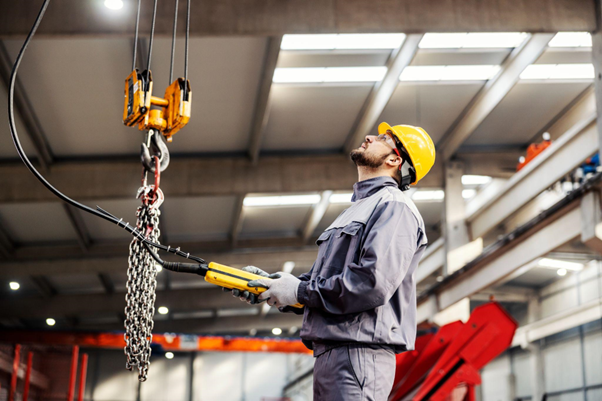
Overhead cranes are crucial for industries to fulfil responsibilities efficiently and safely, but with frequent use and exposure to harsh environments, they can lead to various issues that disrupt operations. Knowing the fundamentals of overhead crane troubleshooting helps minimise downtime and maintain productivity. Partnering with a reliable crane supplier in Singapore ensures access to professional expertise, timely maintenance, and the right replacement parts when needed.
Common Electrical Problems and Their Causes
Electrical faults are among the most common issues encountered during overhead crane troubleshooting. Problems such as motor failure, erratic movement, or power interruptions can arise due to damaged wiring, loose connections, or control system malfunctions. In many cases, moisture and dust accumulation inside control panels can also cause short circuits or sensor errors.
When facing electrical problems, it’s crucial to work with a qualified technician or a trusted crane supplier in Singapore. Their technical expertise helps identify the root cause quickly and ensures repairs meet safety standards. Ignoring small electrical faults can lead to serious breakdowns, so prompt inspection and preventive maintenance are key.
Mechanical Wear and Load Handling Issues
Over time, cranes experience mechanical wear, especially in components such as hoists, trolleys, and wire ropes. Symptoms like jerky movement, unusual noises, or uneven lifting often indicate issues with bearings or misalignment in the hoisting mechanism. Regular lubrication and alignment checks can reduce friction and prolong equipment lifespan.
During overhead crane troubleshooting, it’s important to examine the load-handling system carefully. Overloading or frequent use beyond rated capacity can damage hooks and gears, leading to potential safety hazards. Working closely with an experienced crane supplier in Singapore allows operators to obtain advice on proper load limits, replacement parts, and suitable upgrades that meet operational requirements. Preventive maintenance schedules should include inspections of chains, wire ropes, and hoist brakes to ensure all components function safely.
Festoon Systems and Power Delivery Challenges
The festoon system, which supplies power to the crane, can develop faults due to cable wear or misalignment of the trolleys that guide the cables. Tangled or frayed cables often disrupt movement and cause power fluctuations. This is a common problem in cranes operating in environments with heavy dust or high humidity. Routine inspection of the festoon system is essential to ensure consistent and safe operation.
A professional crane supplier in Singapore can help assess whether the existing festoon design is suitable for your crane’s movement pattern and workload. In some cases, upgrading to a more robust system with better cable management can improve efficiency and reduce downtime. Ensuring that cables are correctly tensioned and properly supported also reduces the risk of mechanical stress, preventing unexpected failures during lifting operations.
Preventive Maintenance and Inspection Practices
Effective overhead crane troubleshooting doesn’t stop at fixing immediate problems, as it involves preventing future ones. Scheduled inspections help identify early warning signs, such as excessive vibration, oil leaks, or unusual wear. Operators should follow a maintenance checklist that includes testing limit switches, examining brake performance, and inspecting load-bearing structures for cracks or corrosion.
Working with a certified crane supplier in Singapore allows businesses to establish a consistent maintenance plan. They can also provide training for crane operators to recognise warning signs before issues escalate. Keeping a detailed service log helps track maintenance history and makes future troubleshooting more efficient. In the long run, regular maintenance reduces costly breakdowns and extends equipment lifespan.
Partnering with Experts for Reliable Support
Sometimes, internal maintenance teams may not have the tools or expertise needed to handle complex faults. Partnering with a professional crane supplier in Singapore gives businesses access to skilled engineers who specialise in diagnostics and repair. These experts can perform detailed assessments using advanced testing equipment to detect faults early.
Collaborating with a trusted supplier ensures that cranes remain compliant with safety regulations while performing at optimal levels. They provide maintenance and replacement parts and system upgrades tailored to industrial requirements. A long-term partnership guarantees that your overhead cranes receive timely servicing and efficient troubleshooting whenever problems arise.
Conclusion
Knowing overhead crane troubleshooting helps businesses prevent disruptions and maintain safe, efficient operations. Whether dealing with electrical faults, mechanical wear, or festoon system issues, timely intervention is essential. Partnering with a reputable crane supplier in Singapore ensures expert support, genuine components, and long-term reliability.
For expert overhead crane troubleshooting and maintenance solutions, contact Shin Guan today for professional support and reliable industrial crane services.
