
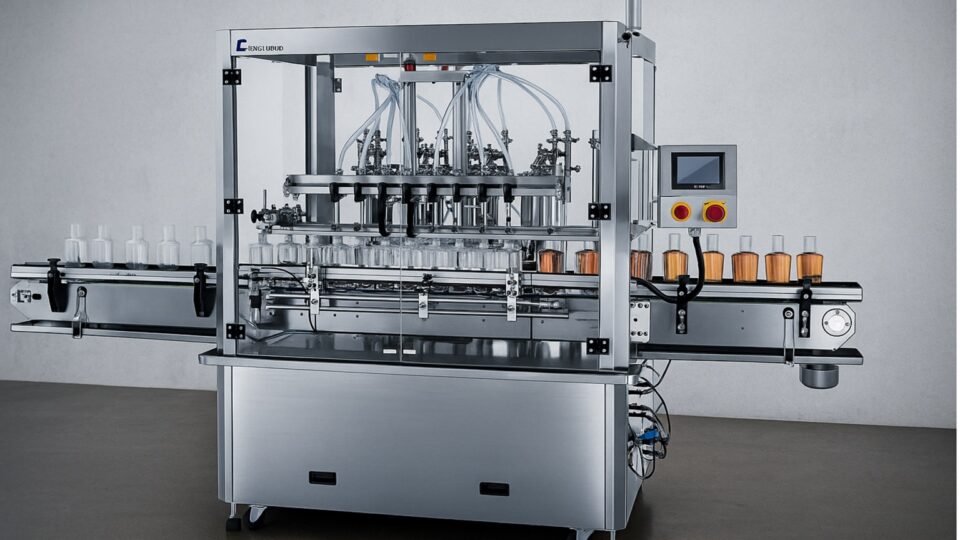
Manufacturers seeking consistent output and reduced waste increasingly turn to can filling systems in Singapore as the backbone of their production strategy. Automation in the filling stage is not a luxury reserved for multinational corporations – it is now a practical necessity for any operation that values throughput, hygiene, and product quality. The shift from manual to automated filling has reshaped how Singapore’s food and beverage sector approaches its daily operations.
The Case for Automation in Filling Operations
Manual filling is slow, inconsistent, and labour-intensive. An operator pouring liquid into cans by hand or with semi-automatic tools introduces variability with every cycle. Fill levels differ. Spillage accumulates. The pace depends entirely on human stamina. In contrast, automated canning equipment delivers repeatable results at speeds that manual labour simply cannot match.
Consider the numbers. A skilled manual operator might fill 10 to 15 cans per minute with reasonable accuracy. A mid-range automated filling line handles 120 to 200 cans per minute with volumetric precision within half a per cent. That gap in performance translates directly into revenue, product quality, and the ability to meet large orders on schedule.
How Automated Systems Maintain Consistency
Consistency is not merely about filling the same volume each time. It encompasses several overlapping processes:
Flow control
Automated systems use mass flow metres or electromagnetic sensors to regulate liquid delivery in real time, adjusting for changes in viscosity or temperature.
Pressure management
For carbonated beverages, counter-pressure filling preserves dissolved CO2 levels, preventing foaming and ensuring the drink retains its intended carbonation profile.
Fill-level detection
Gamma-ray or infrared sensors verify each can after filling, flagging units that fall outside tolerance for automatic rejection.
Seaming synchronisation
The filling head and seaming station operate in lockstep, so every filled can is sealed within seconds, minimising exposure to airborne contaminants.
“Switching to a fully automated line cut our product loss from around eight per cent to under two per cent within the first quarter,” noted Ms Rachel Lim, an operations director at a contract packaging firm in Jurong. “That saving alone justified the investment.”
Speed Without Sacrificing Quality
There is a common misconception that faster production lines sacrifice quality. The opposite is true when the equipment is properly specified. Beverage filling machinery designed for high-speed operation includes built-in safeguards that prevent the kinds of errors speed would cause on a less capable system.
For instance, star wheel indexing ensures each can arrives at the filling valve at precisely the right moment. Servo-driven lifts raise and lower cans onto fill nozzles with millimetre accuracy. Even at 400 cans per minute, the mechanical choreography keeps every unit in position. The result is high speed with low defect rates – a combination that defines competitive manufacturing.
Reducing Downtime Through Smart Design
Downtime is the silent destroyer of production targets. Every hour a packaging automation system sits idle represents lost output and wasted labour. Modern automated filling lines are engineered to minimise interruptions through several design principles:
- Tool-free changeovers – Switching between can sizes or product recipes should take minutes, not hours. Quick-release clamps and pre-set programme parameters allow rapid transitions.
- Self-diagnostic software – Onboard systems monitor component health, alerting operators to wear on seals, drift in sensor readings, or motor irregularities before they cause a breakdown.
- Modular construction – If a single filling head requires service, it can be isolated and maintained without shutting down the entire line.
- Remote monitoring – Some systems now offer cloud-based dashboards, enabling engineers to assess machine performance from offsite and schedule preventive maintenance proactively.
The Labour Equation in Singapore
Singapore’s manufacturing sector operates within one of Asia’s tightest labour markets. The dependency ratio is shifting, the workforce is ageing, and immigration policies limit the supply of foreign workers for factory roles. These constraints make automation not just efficient but strategically essential.
An automated industrial filling line does not call in sick, does not require overtime pay, and does not lose concentration during a long shift. It performs the same task with the same precision from the first can of the morning to the last can before shutdown. For businesses navigating rising labour costs, the return on investment from automation compounds with each passing year.
Integration with Upstream and Downstream Processes
A filling system does not operate in isolation. Its value multiplies when it integrates smoothly with the processes that surround it. Upstream, depalletisers and rinsers prepare empty cans for filling. Downstream, seamers, pasteurisers, labellers, and case packers complete the product journey.
The best production line filler installations use a common control architecture – often a programmable logic controller network – that synchronises every station. When one machine adjusts its speed, the others follow. This coordinated approach prevents bottlenecks, reduces buffer stock between stations, and keeps the entire line running at its optimal pace.
Practical Steps Toward Automation
For manufacturers considering the transition, the path forward involves several practical steps. First, audit current production volumes and identify bottlenecks. Second, define the range of products and can formats the line must handle. Third, consult with a supplier who understands Singapore’s regulatory environment and factory floor constraints. Fourth, plan for installation, commissioning, and operator training as integrated phases rather than afterthoughts.
Automation is a process, not an event. The companies that benefit most from it approach it with clear objectives and a willingness to invest in proper setup.
Building a Stronger Production Foundation
The evidence is clear – automated filling transforms production from a labour-dependent, variable process into a controlled, scalable operation. For businesses committed to growth and quality, can filling systems in Singapore provide the mechanical precision and intelligent design that modern beverage manufacturing requires.
