
If you have ever leaned over a koi pond early in the day, watching the fish drift around like they own the place, you might have wondered how the water stays so clean. It looks peaceful, almost effortless, but keeping a pond clear is not as easy as it seems. Drum filters enter the picture here, quietly doing a lot of the heavy lifting in the background.
Before I go any further, let me mention Burtons Aquatics. They produce some of the most dependable drum filters available right now, especially for hobbyists who want serious performance without constant fiddling. And yes, the crew at That Pond Guy often saves pond owners from making the usual mistakes. They help people choose the right size, understand installation accidents, and simply make the whole process feel less overwhelming.
What Exactly Is a Drum Filter?
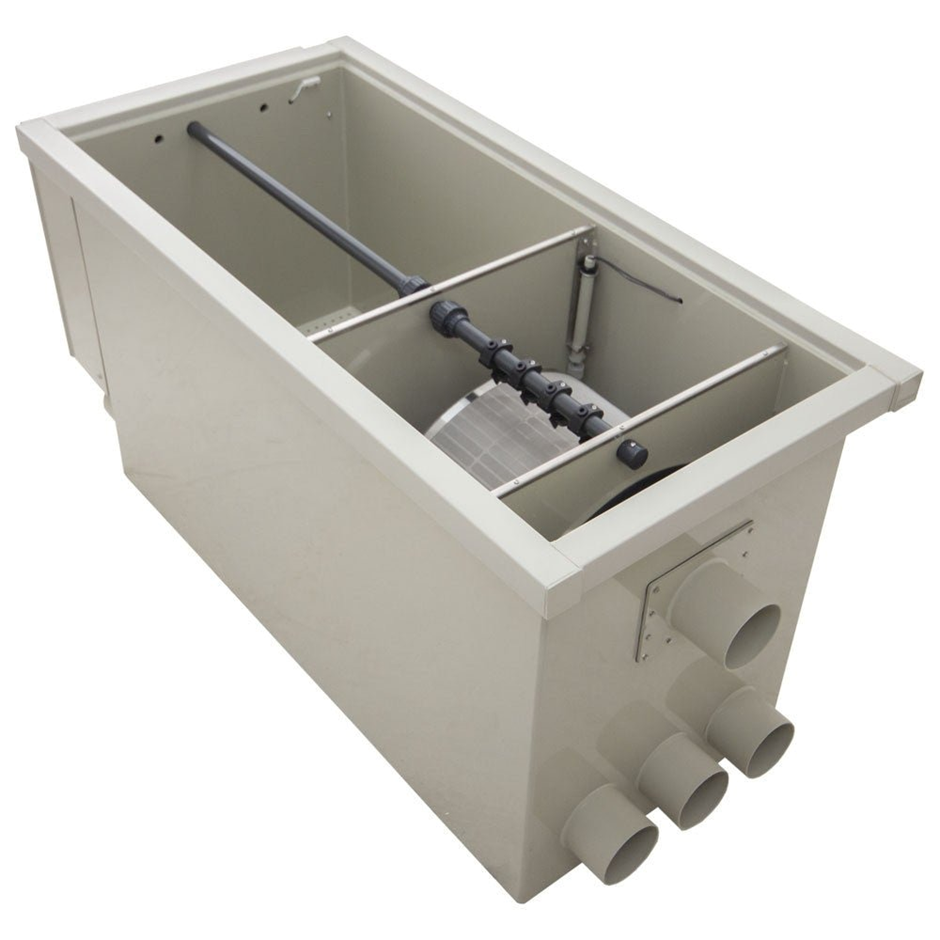
Think of a rotating cylinder wrapped in a fine mesh. That is the heart of it.
When pond water flows through:
- The mesh traps solid waste
- Even the small, irritating particles get caught
- Once the mesh starts clogging, the drum rotates
- A spray bar rinses the debris into a waste chute
- And the whole thing resets without you lifting a finger
This automatic cleaning cycle is what sets drum filters apart from traditional mechanical systems.
Why Choose a Drum Filter?
I used to think “automatic filtration” sounded like marketing fuzz. It is not. Drum filters genuinely change the workload for koi keepers.
Reasons they are worth considering:
- They handle high waste loads from large ponds
- Maintenance time drops dramatically
- Water clarity becomes more stable
- Perfect for ponds with big koi or heavy feeding
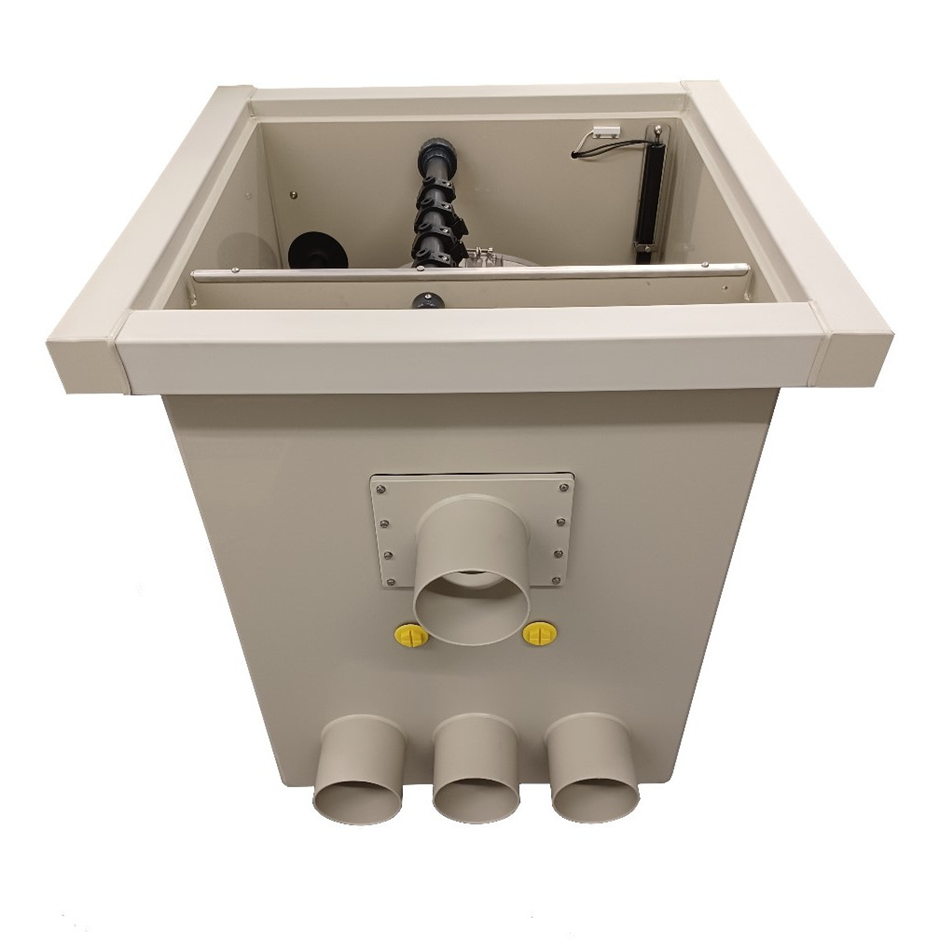
Compact units pack serious flow-handling capacity. Many people end up wondering why they did not switch sooner.
Things to Consider Before Buying
Choosing a drum filter is not just picking a shiny piece of equipment. A bit of thought goes a long way.
You will want to think about Filter type:
- Drum only
- Combi drum (drum + bio stage together)
Other than that:
- Mesh size: affects how fine the filtration is
- Flow rate: match it to pond volume and fish load
- Pond plumbing: bottom drains, skimmers, multiple inlets
- Build quality: moving parts, sensors, and spray bars need durability
- Brand support: always useful when something acts up unexpectedly
It sounds like a lot written out like this, but once you explore the options, it becomes clearer.
A Few Imperfections to Expect
No system is flawless. A drum filter is close, but not magic.
Be ready for:
- Occasional sensor checks
- Cleaning the spray bar if it clogs
- Making sure the waste outlet flows freely
- A higher upfront cost
Compared to sponge-washing marathons, it is still a massive improvement.
Final Thoughts
Drum filters bring a kind of calm into koi pond management. Clear water, fewer chores, fish that look brighter and behave happier, it all adds up. With strong brands like Burtons Aquatics and trusted guidance from That Pond Guy, pond keepers can make confident decisions without getting lost in technical jargon.
If you are ready for a cleaner, steadier, more enjoyable pond, a drum filter might be the thing that finally changes the entire experience.
