
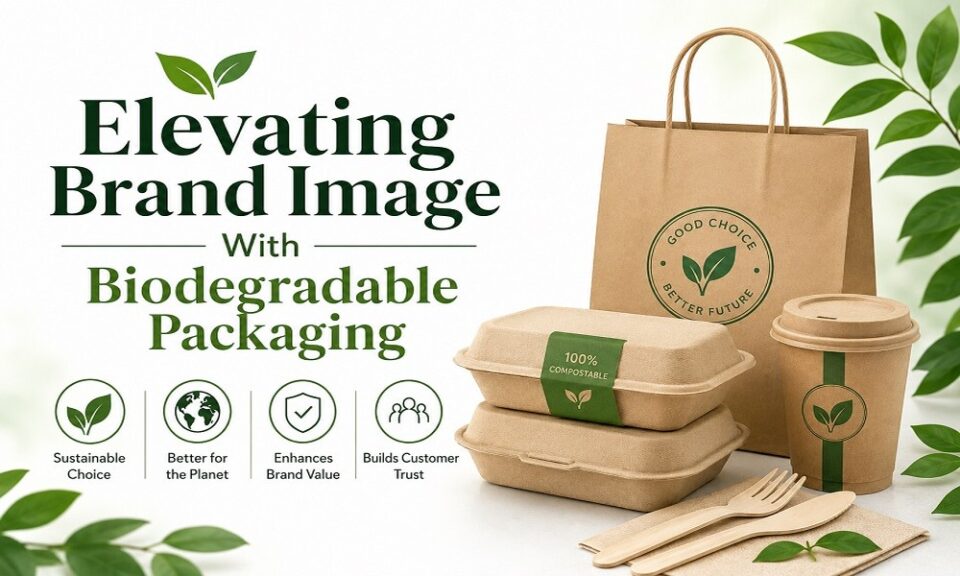
In the highly competitive and fast-paced commercial landscape of Hong Kong, every retail and FMCG business faces immense pressure to differentiate itself. Brands are constantly caught between two extremes: on one hand, watching inflation and material costs erode profit margins, knowing they must invest in long-term brand equity; on the other hand, facing an uncertain economic environment, fearing that tying up capital in experimental initiatives might lead to cash flow issues. This represents the core pain point of modern brand management-balancing cost-efficiency with premium market positioning. True strategic maturity, however, does not treat these elements as a zero-sum game. Instead, by leveraging intelligent material sourcing and modern packaging innovations, businesses can build an identity that is both economically defensive and fiercely competitive. This article explores how adopting sustainable packaging can elevate brand perception while maintaining operational flexibility.
The Defensive Art of Sustainable Material Sourcing
Any robust brand pyramid must be built on a solid foundation of consumer trust and relevance. Over the past few years, the drastic shifts in global environmental policies and consumer awareness have taught companies a profound lesson in risk management. Ignoring sustainability inherently carries high risk; if a brand ties its entire operations to volatile, heavily taxed, and environmentally harmful plastics, a sudden shift in regulatory climate could severely erode its market share and profitability.
Therefore, allocating resources into “defensive” eco-friendly assets is an indispensable part of supply chain allocation. The goal here is not necessarily to become an overnight luxury sensation, but to provide certainty and a baseline defense against shifting consumer values. Many supply chain experts suggest that for businesses looking ten years ahead, investing in materials like biodegradable egg cartons wholesale is an effective forced-adaptation mechanism. By securing bulk supply of compostable, plant-based materials, a company locks its basic packaging infrastructure into a low-risk, future-proof tier. This discipline of “paying forward to your future brand value” prevents decision-makers from disrupting long-term sustainability goals due to temporary market panic or the temptation of cheap, toxic alternatives.
The Liquidity Test When Long Term Visions Meet Immediate Risks
However, an overemphasis on overhauling packaging lines can introduce its own side effects, namely operational and liquidity risks. This is a blind spot often ignored by idealistic green initiatives. Imagine if a company pours eighty percent of its packaging budget into a highly experimental, long-term biodegradable mold, only to face an unexpected crisis-such as a sudden supply chain disruption, an immediate need for product redesign, or an unforeseen counterfeit attack in a new market. How does the brand respond?
In the absence of flexible options, many executives are forced to make painful decisions, such as reverting to cheap plastics and facing public backlash, or selling products at a loss. This approach of destroying long-term brand architecture to solve short-term operational gaps is a massive waste of marketing capital. Establishing a “buffer zone” between sustainability goals and day-to-day market realities is the ultimate test of a manager’s acumen. Brands must design packaging that is not only green but also deeply integrated with versatile, modular designs that can adapt to sudden shifts in product lines without requiring entirely new tooling.
Transforming Security Measures into Strategic Brand Assets
In traditional business mindsets, “security and anti-counterfeiting” are often labeled negatively, viewed merely as an unfortunate cost of doing business. Yet, in modern retail science, a robust security feature is a highly strategic tool for managing consumer trust and perceived value. When facing short-term margin squeezes, while the core product holds long-term appreciation potential, utilizing advanced security integration is often more economically viable than constantly discounting to fight cheap knock-offs.
With the rapid development of packaging technology, the barrier to acquiring sophisticated product authentication has significantly lowered. The market now offers highly efficient integration channels. For example, when a brand needs to secure its supply chain without disrupting its new eco-friendly aesthetic, employing modern brand protection solutions HK agencies offer becomes a highly flexible option. These advanced technological products-such as invisible QR codes or NFC tags embedded directly into biodegradable materials-allow consumers to verify authenticity via their smartphones. By accurately calculating the cost of this technology against the expected return of consumer loyalty, companies can use these tools as a bridge. It solves the immediate threat of counterfeiting while preserving the long-term fruit of premium, sustainable brand positioning.
Brand Building is a Marathon of Rhythm and Flexibility
Operating in a city as opportunistic and challenging as Hong Kong requires a brand strategy that relies neither on singular cost-cutting nor blind aesthetic investments. It must be a highly adaptable ecosystem. Companies must cultivate the discipline to lock in future relevance, utilizing sustainable materials to build a sturdy foundation that remains unshaken by short-term market fads.
Simultaneously, businesses must possess the agility to navigate uncertainty, discarding traditional prejudices against the integration of high-tech security, and making full use of modern packaging technologies. Only by mastering the delicate balance between “solidifying core environmental values” and “flexible operational tactics” can a brand maintain a steady pace in the marathon of commerce. Whether encountering favorable winds or economic downturns, this balanced approach ensures the company gracefully crosses the finish line of enduring market leadership.
