
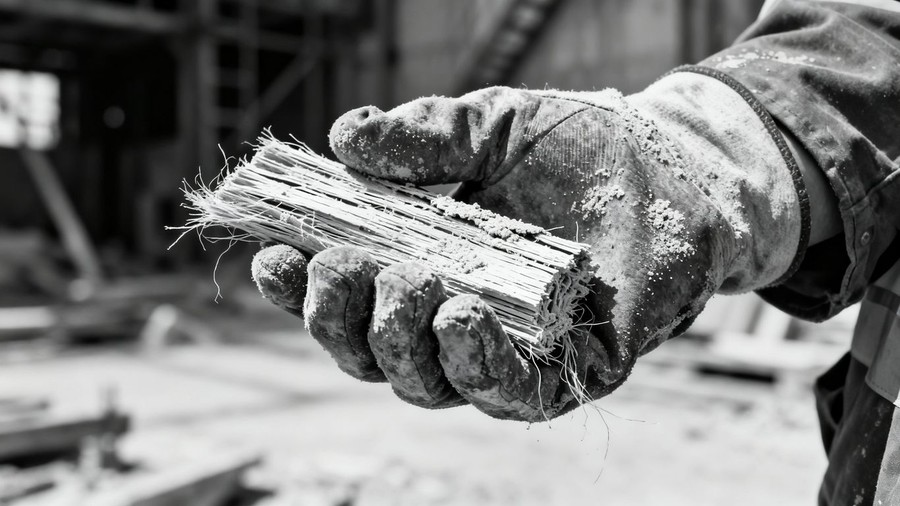
Many jobs from the past, and even some today, put workers in direct contact with asbestos. This mineral was widely used for its heat resistance and durability, making it a common component in building materials, insulation, and various industrial products. Workers in these fields often inhaled or ingested asbestos fibers without knowing the long-term health consequences.
Construction and Building Trades
Construction workers, including carpenters, plumbers, and electricians, frequently encountered asbestos. It was used in roofing and flooring materials, insulation for pipes and walls, and cement products. Tasks like cutting, drilling, or demolishing structures containing asbestos-based materials released fibers into the air. Renovating older buildings or working on new construction projects where asbestos materials were still being installed posed a significant risk. Many of these jobs involved working in enclosed spaces where dust could accumulate, increasing the potential for exposure. The sheer volume of asbestos-containing products used before the 1980s means that many construction and renovation projects still carry this risk.
Shipyard and Aviation Industries
Shipyard workers and those in the aviation industry faced high exposure levels, often in confined and poorly ventilated areas. Asbestos was extensively used for fireproofing, insulation around engines and pipes, and in brake pads. Repairing ship hulls, aircraft components, and engines frequently disturbed these materials, releasing asbestos dust. This dust could settle on work clothes and equipment, leading to prolonged exposure even after the workday ended. The extensive use of asbestos in naval vessels throughout much of the 20th century meant that many military personnel and civilian shipyard employees were exposed.
Industrial and Manufacturing Sectors
Workers in factories and industrial settings were exposed to asbestos in numerous ways. It was a common ingredient in textiles, gaskets, insulation, and friction materials used in machinery. Employees in textile mills, chemical plants, and manufacturing facilities that produced items like brake pads or cement often worked closely with asbestos-containing products. The constant operation of machinery and high temperatures in these environments meant that asbestos materials were frequently disturbed, releasing fibers. Workers involved in maintenance, production, and even cleanup in these sectors were at risk.
Energy Sector Workers
Those employed in the energy sector, such as power plant operators and petrochemical refinery workers, also faced significant asbestos exposure. Asbestos was a go-to material for insulating boilers, turbines, and steam pipes due to its excellent heat resistance. Maintenance and repair work on this equipment, which was common and often required over many years, regularly involved disturbing asbestos insulation. This created a dusty environment where workers could inhale fibers. The long lifespan of power plants and refineries meant that asbestos was a persistent presence in these workplaces for decades before stricter regulations were put in place. This exposure put many power plant workers at risk for asbestos-related diseases.
Trades Facing Elevated Asbestos-Related Lung Cancer Risks
Certain jobs put workers at a higher risk for asbestos-related lung cancer. This is often because these trades involved working directly with materials that contained asbestos, or in environments where asbestos dust was common. Even though we know more about the dangers now, many people who worked in these fields decades ago are only now seeing the health consequences.
Boilermakers and Pipefitters
Boilermakers and pipefitters were frequently exposed to asbestos. These trades often involved installing and repairing pipes, boilers, and other equipment that used asbestos insulation for heat resistance. Cutting, sanding, or removing these materials could release asbestos fibers into the air. This constant exposure in enclosed spaces made them particularly vulnerable. Many workers in these roles might not have been aware of the risks at the time, leading to potential health issues years later. If you worked in these fields, understanding your risk is important, and resources are available regarding occupational asbestos exposure.
HVAC Technicians
Heating, ventilation, and air conditioning (HVAC) technicians often worked with older building systems that contained asbestos. Asbestos was used in insulation for ducts, boilers, and other components. When servicing, repairing, or replacing these parts, technicians could disturb asbestos materials, leading to inhalation of fibers. This risk was especially high in older commercial buildings and industrial facilities.
Auto Mechanics and Toll Collectors
Auto mechanics faced asbestos exposure primarily through brake pads and clutches, which commonly contained asbestos for heat resistance. When mechanics worked on brakes, they would often disturb these materials, releasing dust. Toll collectors, particularly those working in enclosed booths in older toll plazas, might have been exposed to asbestos from building materials or nearby traffic that kicked up dust from roads containing asbestos.
Insulation Installers
Insulation installers, as their job title suggests, worked directly with insulating materials. In the past, many of these materials were made with asbestos due to its excellent fireproofing and insulating properties. Installing, cutting, or removing this insulation meant direct contact with asbestos fibers. This trade is consistently listed among those with the highest risk for asbestos-related diseases, and construction workers in general face significant risks.
First Responders and Emergency Personnel
Firefighters and Their Exposure Risks
Firefighters have historically faced significant risks from asbestos exposure, often without realizing it. Asbestos was widely used as a fireproofing material in buildings, and when fires occurred, these materials could break down, releasing microscopic fibers into the air. These fibers would then settle on firefighters’ gear and in the environment where they worked. Furthermore, protective equipment used by firefighters, such as helmets and clothing, often contained asbestos for its heat-resistant properties. This meant that even when not directly fighting a blaze, they could be exposed to these dangerous particles. Studies have shown that firefighters are at a considerably higher risk of developing asbestos-related diseases, including lung cancer and mesothelioma, compared to the general population. This increased risk is a direct consequence of their line of duty, where they are frequently exposed to hazardous conditions and materials. The cumulative nature of asbestos exposure means that even seemingly minor exposures over a career can lead to serious health issues decades later, a concept known as the latency period of asbestos lung cancer.
Cleanup and Demolition Crews
Individuals involved in cleanup operations, particularly after fires or building collapses, and demolition crews face similar, if not greater, asbestos exposure risks. When structures containing asbestos are damaged or torn down, the material can become airborne. Workers involved in these tasks often handle debris and materials that are heavily contaminated with asbestos fibers. Without proper protective equipment and protocols, these fibers can be easily inhaled. This is especially true in older buildings that were constructed before the widespread awareness and regulation of asbestos use. The work of asbestos abatement workers is specifically designed to mitigate these risks, but historically, many cleanup and demolition efforts occurred without such specialized precautions, leading to significant occupational exposure for those involved.
Understanding the Latency Period of Asbestos Lung Cancer
One of the most challenging aspects of asbestos-related lung cancer is its long development time. It’s not something that typically shows up right after exposure. Instead, the disease often takes decades to manifest. This extended period, known as the latency period, means that individuals diagnosed today may have been exposed to asbestos many years, even half a century or more, ago. This makes connecting the illness to past occupational hazards a complex process.
Decades-Long Development of Asbestos-Caused Illnesses
The fibers from asbestos, once inhaled, can settle deep within the lungs. Over many years, these fibers can cause chronic inflammation and cellular damage, eventually leading to cancerous changes. This slow progression is why symptoms might not appear until 20, 30, or even 50 years after the initial exposure. For instance, studies have shown that the average time from exposure to diagnosis can be around 45 years for conditions like asbestosis, which is closely linked to lung cancer [3c3c]. This lengthy timeline means that many people diagnosed with asbestos-related lung cancer worked in industries where asbestos was common decades ago, before its dangers were widely understood or regulated.
Age as a Factor in Diagnosis
Because of this significant latency period, asbestos-caused lung cancer is more commonly diagnosed in older adults. People who worked in high-exposure jobs during the mid-20th century, particularly between the 1940s and 1970s, are now reaching the ages where these diseases tend to develop. The Centers for Disease Control and Prevention notes that individuals over 65 are among the most likely to receive such a diagnosis, largely due to the time it takes for the cancer to develop after initial exposure [7f81]. This age factor often means that individuals are dealing with a serious health issue later in life, potentially impacting retirement and overall quality of life. If you suspect your lung cancer might be linked to past asbestos exposure, discussing your work history with a medical professional is a vital step.
The Role of Asbestos in Manufacturing and Production
Asbestos Plant Workers
Many workers in manufacturing plants faced significant exposure to asbestos. This mineral was a popular choice for its heat resistance and durability, making it a common component in a wide array of industrial products. Workers involved in the production of asbestos-containing materials, or those who worked with machinery that used these materials, were at a high risk. This included tasks like mixing raw asbestos fibers, operating machinery that processed asbestos, and handling finished products before they were shipped out. The sheer volume of asbestos used meant that even brief periods of work could lead to substantial exposure.
Textile and Chemical Plant Employees
In textile mills, asbestos was often woven into fabrics to provide fire resistance and insulation for machinery. Workers in these environments, from weavers to those maintaining the equipment, could inhale airborne fibers released during the manufacturing process. Similarly, chemical plants utilized asbestos in gaskets, seals, and insulation for pipes and reactors, especially those handling high temperatures or corrosive substances. Employees responsible for maintaining or replacing these components were frequently exposed to the dust generated.
Factory Workers in Specific Industries
Beyond textiles and chemicals, numerous other factory settings involved asbestos. This included:
- Automotive Parts Manufacturing: Asbestos was a key ingredient in brake pads, clutch facings, and gaskets. Factory workers assembling these parts were exposed to asbestos dust.
- Cement and Building Materials Production: Workers in factories producing asbestos cement sheets, pipes, and insulation materials handled large quantities of raw asbestos.
- Electrical Appliance Manufacturing: Asbestos was used for insulation in various electrical components and appliances, exposing assembly line workers.
- Rubber and Plastic Production: Asbestos fibers were sometimes added to rubber and plastic compounds to increase strength and heat resistance, putting production workers at risk. The widespread use of asbestos in manufacturing means that many factory workers, even those not directly handling the raw material, could have been exposed through contaminated air or equipment. Understanding the history of asbestos use is key to recognizing these risks, and resources on occupational exposure facts can provide further insight.
Secondary Exposure and Household Contamination
Family Member Contamination Through Work Clothes
It wasn’t just the workers themselves who were at risk. Asbestos fibers are tiny and clingy. They could easily attach to a worker’s clothing, hair, and skin. When these workers returned home, they could unknowingly bring these dangerous fibers with them. This meant that family members, especially spouses and children, could be exposed to asbestos just by being around the worker or handling their work clothes. This secondary exposure, though often unintentional, carried the same risks as direct occupational exposure. Washing contaminated work clothes was a particularly hazardous task, potentially exposing laundry workers or family members to a significant dose of asbestos dust.
Risks in Older Residential Buildings
Beyond the workplace and the home, asbestos posed risks in other settings. Older homes and buildings, particularly those built before the 1980s, often contained asbestos-containing materials. These materials were used for insulation, roofing, flooring, and even in decorative finishes. During renovations, repairs, or even just normal wear and tear, these materials could degrade and release asbestos fibers into the air. This meant that not only construction and renovation workers but also residents and visitors in these older buildings could face exposure. Cleanup and demolition crews, in particular, faced high risks when working in structures known to contain asbestos, often without adequate protective gear.
- Home renovations: Disturbing asbestos in insulation, tiles, or siding during DIY projects or professional work.
- Maintenance tasks: Activities like repairing roofs or replacing old pipes could release fibers.
- General occupancy: Living or working in older buildings where asbestos materials might be deteriorating over time.
